Setting up and managing your home network is essential for ensuring a smooth online experience. One of the key components of this process is the TP-Link router admin login. This blog will guide you through everything you need to know about accessing your TP-Link router’s admin panel, troubleshooting common issues, and optimizing your network settings.
What is a TP-Link Router Admin Login?
The TP-Link router admin login is the gateway to your router’s settings, allowing you to configure and manage your home network. Through this admin interface, you can set up Wi-Fi security, manage connected devices, update firmware, and much more. Understanding how to access this panel is crucial for effective network management.
How to Access the TP-Link Router Admin Panel
Step 1: Connect to Your Router
Ensure that your device (computer, tablet, or smartphone) is connected to your TP-Link router, either via Ethernet cable or through Wi-Fi.
Step 2: Open a Web Browser
Launch your preferred web browser (Chrome, Firefox, Safari, etc.) and enter the router’s IP address in the address bar. Common TP-Link router IP addresses are:
- 192.168.0.1
- 192.168.1.1
Step 3: Enter Your Login Credentials
Once you hit enter, you will be prompted to enter your admin username and password. The default login credentials for TP-Link routers are usually:
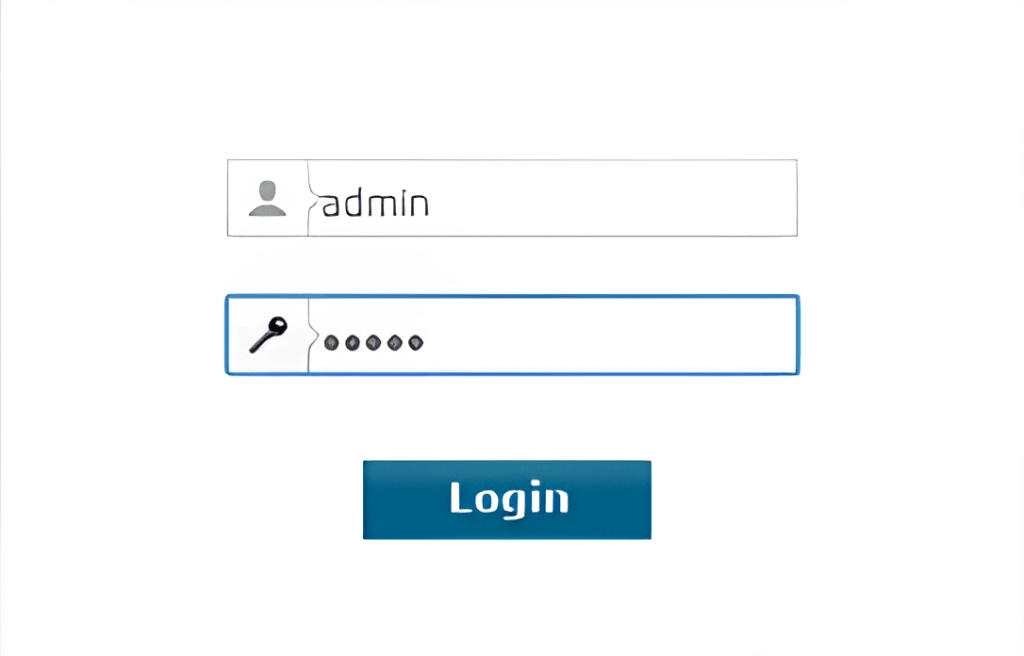
- Username: admin
- Password: admin
If you’ve changed these credentials and forgotten them, you may need to reset your router to factory settings.
Step 4: Navigate the Admin Interface
After logging in, you’ll be greeted with the router’s admin interface. Here, you can explore various settings and options, including:
- Wireless settings (SSID, password)
- Security options (WPA2, firewall settings)
- Parental controls
- Guest network setup
- QoS settings (Quality of Service)
Common Issues During Login
Incorrect Username or Password
If you can’t log in because of incorrect credentials, make sure you’re using the right ones. If you’ve forgotten your password, consider resetting the router. Locate the reset button, usually found on the back of the router, and press it for about 10 seconds using a pin or paperclip.
Unable to Access the Admin Page
If you cannot access the admin page, check the following:
- Ensure your device is connected to the router.
- Try using different browsers.
- Restart your router and device.
Tips for Secure Router Management
- Change Default Credentials: Always change the default username and password to prevent unauthorized access.
- Update Firmware Regularly: Keep your router’s firmware updated to benefit from the latest features and security improvements.
- Enable Network Encryption: Use WPA2 or WPA3 encryption for your Wi-Fi network to keep your data secure.
- Disable WPS: Consider disabling Wi-Fi Protected Setup (WPS) as it can be a potential security risk.
Conclusion
Understanding the TP-Link router admin login process is essential for effectively managing your home network. By following the steps outlined above, you can access your router’s settings, troubleshoot common issues, and optimize your network for better performance. Always prioritize security to keep your network safe from unauthorized access.
By taking control of your TP-Link router settings, you ensure a secure and efficient online experience for you and your family. If you have any questions or need further assistance, feel free to reach out!

 Network Tech Blogs USA
Leave a comment