Setting up or managing your TP-Link extender might seem challenging at first, but with the right instructions, it’s a breeze. Whether you’re optimizing your home Wi-Fi or simply troubleshooting a connectivity issue, knowing how to access your TP-Link Extender Login is key. In this guide, we’ll cover everything from the login process to common issues and their fixes, ensuring your extender operates seamlessly.
Why You Need to Access TP-Link Extender Login
The TP-Link Extender Login page gives you access to settings that can improve your home or office Wi-Fi. It allows you to:
- Change network settings for better performance.
- Update firmware for security improvements.
- Adjust security features like passwords and network encryption.
- Troubleshoot connectivity problems.
Knowing how to log in is crucial whether you are setting up the device for the first time or adjusting your extender for a more robust connection.
How to Access TP-Link Extender Login
To access the TP-Link Extender Login page, follow these steps:
- Connect to Your TP-Link Extender
First, make sure your device (PC, smartphone, or tablet) is connected to the Wi-Fi network of the TP-Link extender. The SSID will usually include “_EXT” at the end, signifying the extended network. - Open a Web Browser
Open any web browser such as Chrome, Firefox, or Edge. - Enter the Default Login Address
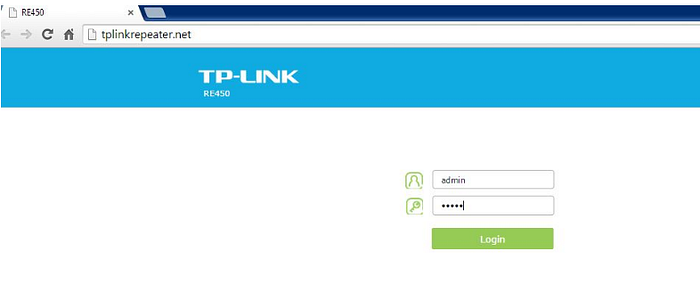
In the browser’s address bar, type in either tplinkrepeater.net or 192.168.0.254. These are the default URLs for accessing the TP-Link Extender Login page. Press “Enter.” - Log In
You will be prompted to enter your username and password. By default, both fields are set to “admin” (all lowercase). If you have changed these credentials previously, enter the updated information. - Access Your Settings
After logging in, you’ll have access to the extender’s dashboard, where you can modify settings, update the firmware, and optimize your network.
Common Issues During TP-Link Extender Login
Sometimes, you might face difficulties logging in to your TP-Link extender. Here are common problems and solutions:
- Incorrect IP Address
If tplinkrepeater.net or 192.168.0.254 doesn’t work, verify that your device is connected to the TP-Link extender’s network. Alternatively, try resetting the device to factory settings and attempt the login again. - Forgot Username/Password
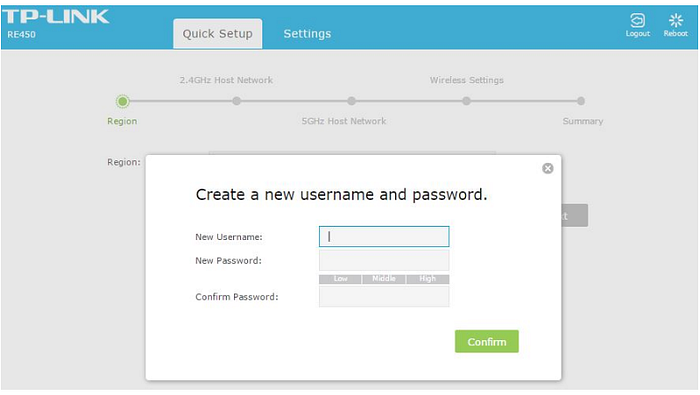
If you’ve forgotten your login credentials, you can reset the TP-Link extender by pressing the Reset button on the device for 10 seconds. Once reset, the username and password will revert to “admin.” - Browser Cache Issues
Sometimes the browser cache might prevent you from accessing the login page. Clear your browser cache or try using incognito mode for a fresh login attempt. - Connectivity Issues
If you can’t reach the login page, it’s possible there’s a connection problem between your device and the extender. Restart both your router and the extender, ensuring that your device reconnects properly before attempting again.
Changing Your Extender Settings After Login
Once logged in, you have access to various settings that can enhance your Wi-Fi performance. Here are a few important changes you can make:
- Change SSID and Password
On the settings page, you can modify the network name (SSID) and password for your extended network. Make sure you use a strong password for better security. - Update Firmware
Keeping your firmware up to date ensures your TP-Link extender operates efficiently and stays protected from security vulnerabilities. Look for the Firmware Upgrade option and follow the on-screen instructions. - Adjusting Frequency Bands
If your extender supports dual bands (2.4 GHz and 5 GHz), you can manage these frequencies to reduce congestion and improve speed. This is especially useful in areas with many overlapping networks
Security Tips for TP-Link Extender Login
- Change Default Credentials: As soon as you log in for the first time, change the default username and password to something more secure. This protects your network from unauthorized access.
- Use Strong Encryption: Under security settings, ensure your network is using WPA2 or WPA3 encryption for better protection.
- Regular Firmware Updates: Always check for the latest firmware updates to keep your extender’s security features up to date.
Conclusion
The TP-Link Extender Login process is straightforward but essential for maximizing the performance and security of your extended network. Whether you’re adjusting settings, troubleshooting, or simply optimizing your Wi-Fi, having access to your extender’s control panel ensures smooth operation. Now that you know how to log in, you’re one step closer to enjoying a more robust and reliable wireless connection.

 Network Tech Blogs USA
Leave a comment