In today’s interconnected world, the router stands as the gatekeeper to the vast realm of the internet. Whether you’re streaming your favorite show, attending a virtual meeting, or gaming online, your router is the silent workhorse ensuring a seamless connection. However, to truly harness the potential of your router, you must first navigate 10.0.0.1 admin login to access the login page. In this guide, we’ll delve into the intricacies of router login, demystifying the process and empowering you to take control of your network.

Understanding Router Login:
Before delving into the specifics, let’s grasp the essence of router login. Every router comes with a default IP address, username, and password, which grants access to its settings. This interface allows users to configure various aspects of their network, including security settings, port forwarding, and device management.
Locating the Default IP Address:
The first step in accessing your router’s settings is identifying its default IP address. Typically, most routers use either 192.168.0.1 or 192.168.1.1 as their default IP. However, manufacturers may vary, so consulting the router’s manual or searching online for the specific model’s default IP address is advisable.
Accessing the Router Login Page:
Once armed with the default IP address, accessing the router login page is straightforward. Simply open a web browser and type the IP address into the address bar. Press enter, and you should be redirected to the router’s login page.
Entering Credentials:
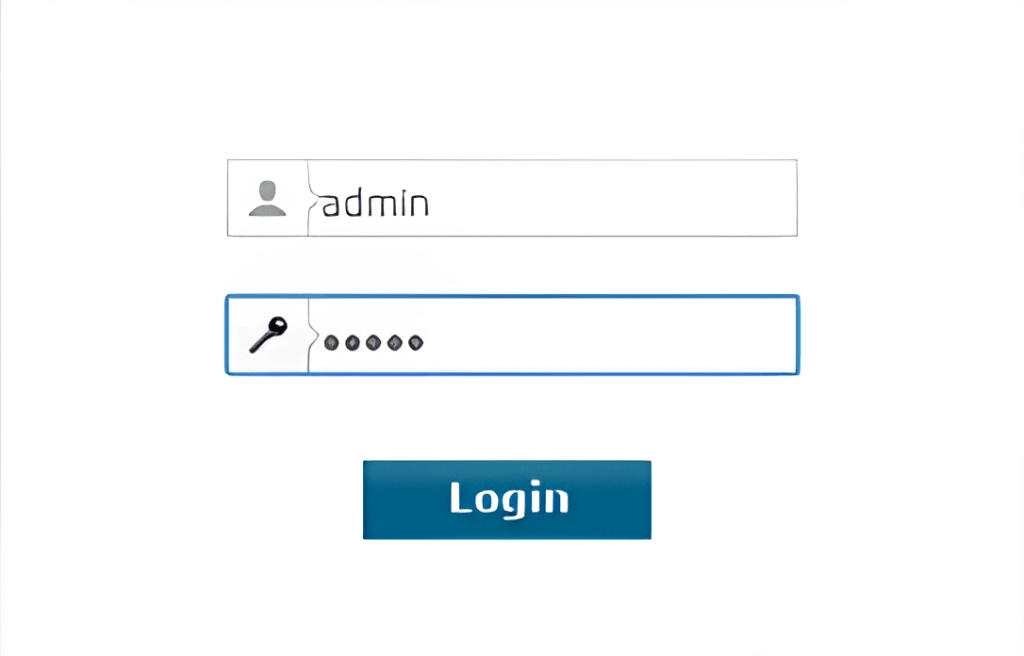
Upon reaching the login page, you’ll be prompted to enter a username and password. This information is typically provided in the router’s documentation. However, if you’ve changed the credentials in the past and forgotten them, a factory reset may be necessary to revert to the default settings.
Exploring Router Settings:
Upon successful login, you’ll gain access to the router’s administrative interface, which presents a plethora of options for customization. From here, you can configure wireless network settings, set up guest networks, manage connected devices, and implement security measures such as firewall settings and parental controls.
Best Practices for Router Security:
While accessing your router’s settings empowers you to customize your network to suit your needs, it’s essential to prioritize security. Here are some best practices to fortify your router:
Change Default Credentials: Immediately change the default username and password to unique, complex credentials to thwart unauthorized access.
Enable Encryption: Utilize WPA2 or WPA3 encryption to secure your wireless network and prevent eavesdropping.
Firmware Updates: Regularly update your router’s firmware to patch vulnerabilities and ensure optimal performance.
Network Segmentation: Segment your network into separate VLANs to isolate sensitive devices and prevent lateral movement in the event of a breach.
Disable Remote Access: Unless absolutely necessary, disable remote management to minimize the risk of unauthorized access from external sources.
Conclusion:
Navigating the spectrum of router login using 10.0.0.1 admin login that empowers users to tailor their network to their specific requirements while bolstering security measures to safeguard against potential threats. By following the steps outlined in this guide and adhering to best practices for router security, you can harness the full potential of your router while enjoying peace of mind knowing your network is fortified against intruders. So, embark on your journey through the router’s administrative interface with linksys re6300 setup, and unlock the gateway to a seamless online experience.

 Network Tech Blogs USA
Leave a comment